Quick Answer
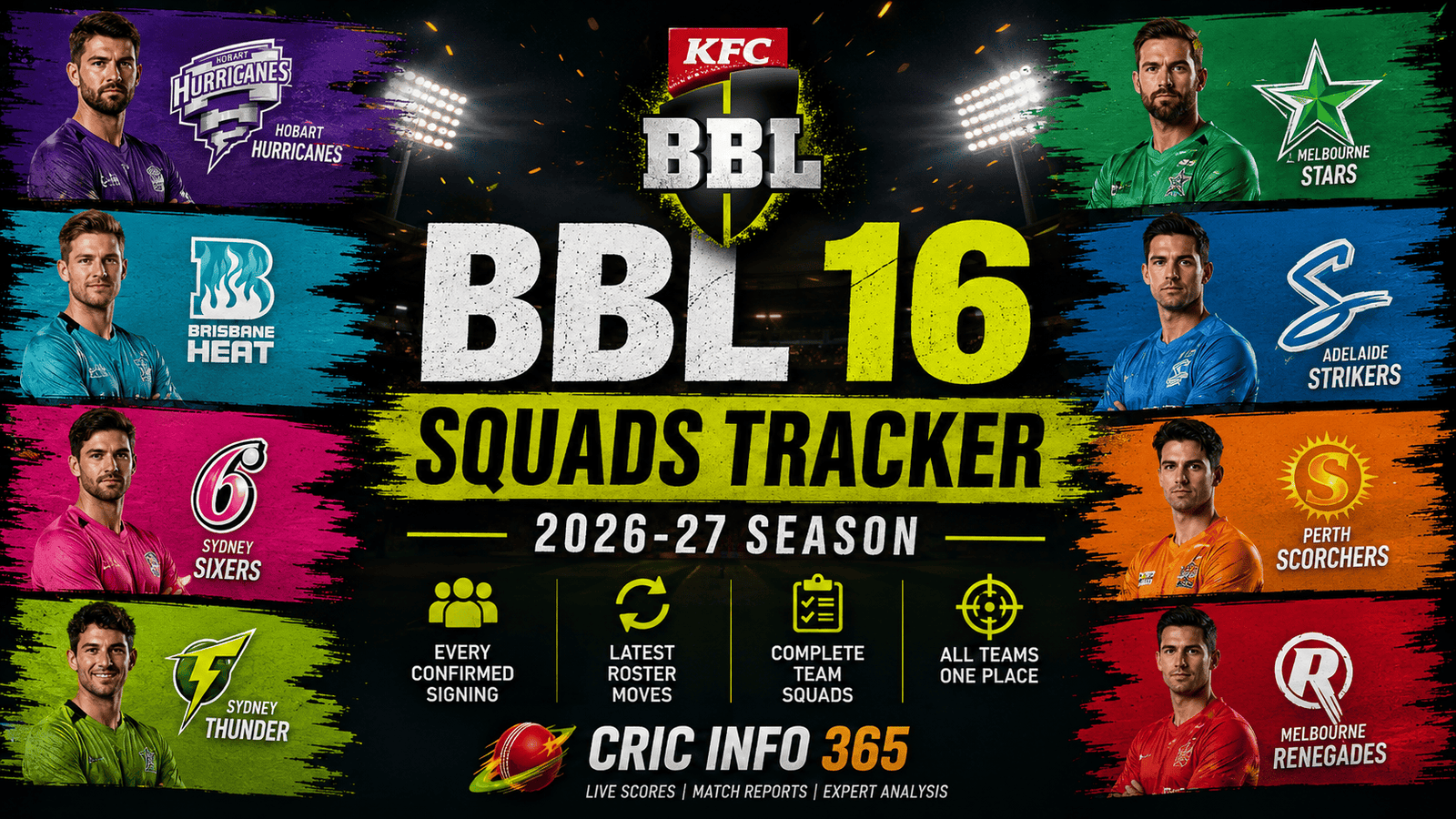
Squad-building for BBL 2026-27 (BBL|16) is currently in full swing after the league-wide contracting embargo lifted on Thursday, 27 August 2026, allowing all eight clubs to finalise their 18-man rosters. This season brings genuine structural change: the overseas player draft has been scrapped entirely, with clubs now free to directly sign international players on the open market, and each club can carry a maximum of three overseas players, with no minimum requirement.
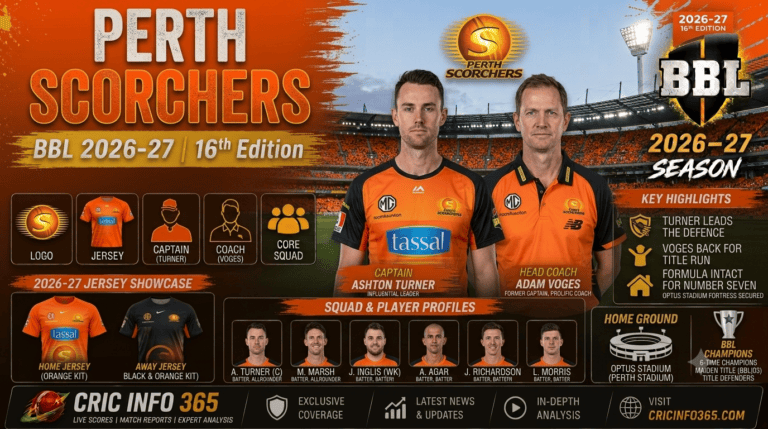
Perth Scorchers enter as defending champions, and the tournament kicks off on 12 December 2026, running through to the final on 26 January 2027 — with the historic twist that the opening match will be played in Chennai, India, marking the first time a BBL fixture has been staged outside Australia.
In short: if you’re looking for the “final” squad list right now, it doesn’t exist yet — clubs are still actively signing players as of this week, so treat any list (including this one) as a live snapshot rather than a finished roster. You can track live scores and match news all season on CRIC INFO 365.
What’s Actually New About BBL 2026-27 (BBL|16) Squad Building?
Before diving into individual signings, it’s worth understanding just how differently rosters are being built this year compared to recent seasons.
For the past few years, BBL clubs picked up overseas talent through a dedicated overseas player draft, similar in spirit to how the IPL runs its auction. That system has now been scrapped for BBL|16. Instead, the league has reverted to the open-market signing model that was in place prior to 2022, meaning clubs negotiate directly with international players rather than bidding through a structured draft process, according to cricket.com.au’s official squad tracker.
This shift matters more than it might first appear. Under the draft system, clubs had limited control over which specific overseas players they ended up with. Under open-market signing, clubs can now target the exact players who fit their team’s specific needs — whether that’s a death-overs specialist, a spin-bowling all-rounder, or a proven finisher. Renegades captain Will Sutherland summed up the shift well, noting that the return of direct signings gives clubs “more scope to nail the specific roles” they’re missing, rather than hoping the right player falls to them in a draft.
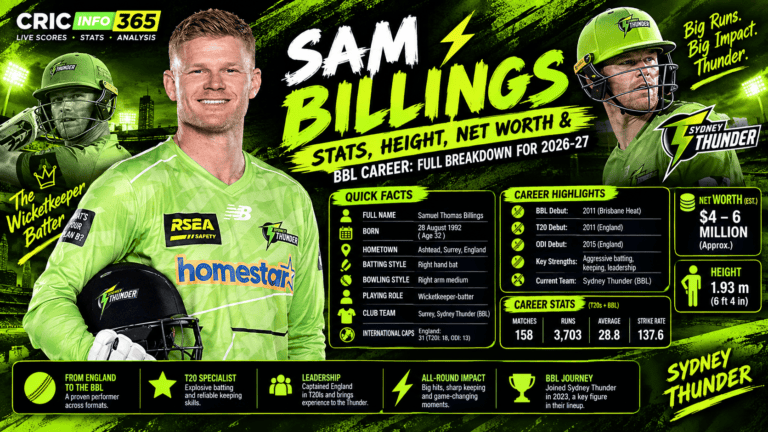
Another key change: there’s no longer a minimum number of overseas players a club must carry, though the maximum remains capped at three per primary list. As of the embargo lifting, Sam Billings of Sydney Thunder was the only overseas player already under contract for the new season, with the rest of the league’s international market essentially wide open.
What Is the Designated Batter Rule, and Why Does It Matter for Squads?
One of the most talked-about changes heading into BBL|16 is the introduction of the Designated Batter and Fielder rule, confirmed by Cricket Australia back in January 2026. It’s a rule that doesn’t just change how matches are played — it directly affects which players clubs are now prioritising in their squad-building.
Here’s how it works: before the toss, a club can nominate one player from its XI to act as a Designated Batter — someone who can bat but cannot field or bowl at all. If a club chooses to do this, it must also name a Designated Fielder, a player who can field (including wicketkeeping) but cannot bat or bowl. If a club doesn’t want to use this option, it can simply field a traditional XI as normal.
The concept draws inspiration from two places: the IPL’s Impact Player rule, and BBL’s own earlier experiment with the “X-Factor” substitution introduced back in BBL|10. Cricket Australia’s general manager of Big Bash Leagues, Alistair Dobson, described the goal as giving “teams more strategic options and creating new dynamics for fans to enjoy,” while being careful not to alter cricket’s core fundamentals.
Why this matters for squad-building specifically: the rule is widely expected to extend the BBL careers of veteran power-hitters who might otherwise skip a fielding-heavy tournament. Adelaide Strikers veteran Chris Lynn has already spoken publicly in support of the change, and there’s speculation that it could make the league more appealing to Test-match regulars like Travis Head, who might now be more willing to play a pure batting role without needing to field through a full innings. Expect this rule to shape exactly which experienced names clubs chase hardest in the coming weeks.
Which Players Have Clubs Signed So Far?
Here’s where things currently stand, team by team, based on the latest confirmed contracting updates from ESPNcricinfo. Remember: this list is a snapshot taken shortly after the embargo lifted, and it will keep growing over the coming weeks.
Adelaide Strikers
Confirmed names include Alex Carey, Mackenzie Harvey, Thomas Kelly, Lloyd Pope, Jason Sangha, Liam Scott, Matt Short, Tom Straker, Henry Thornton, and Jerrssis Wadia. This gives the Strikers a strong domestic core to build around as they look to add overseas firepower under the new open-market rules.
Brisbane Heat
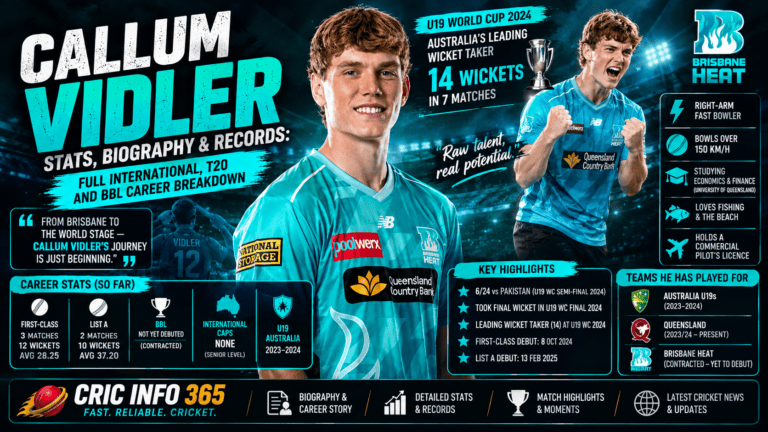
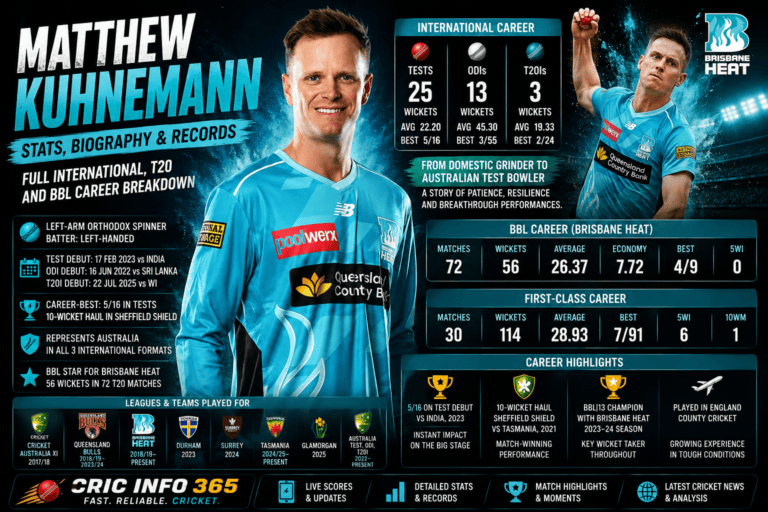
The Heat have moved quickly to lock in their young pace-bowling stocks, re-signing Xavier Bartlett (contracted through BBL|18), Spencer Johnson (through BBL|17), Matt Kuhnemann, Nathan McSweeney, Matthew Renshaw, Callum Vidler, Hugh Weibgen, and explosive opener Max Bryant. Kuhnemann was notably the tenth player re-signed before the embargo even lifted, extending his existing deal.
What’s more interesting, though, is who’s still uncontracted at the Heat: Usman Khawaja is now a free agent after his four-year deal expired, but head coach Johan Botha has publicly indicated the retired Test opener remains central to the club’s plans — and he’s viewed as a prime candidate for the new designated batter role. Fellow Queenslanders Marnus Labuschagne and Michael Neser are also currently uncontracted, with their availability complicated by Australia’s five-Test tour of India scheduled for January.
Sydney Sixers
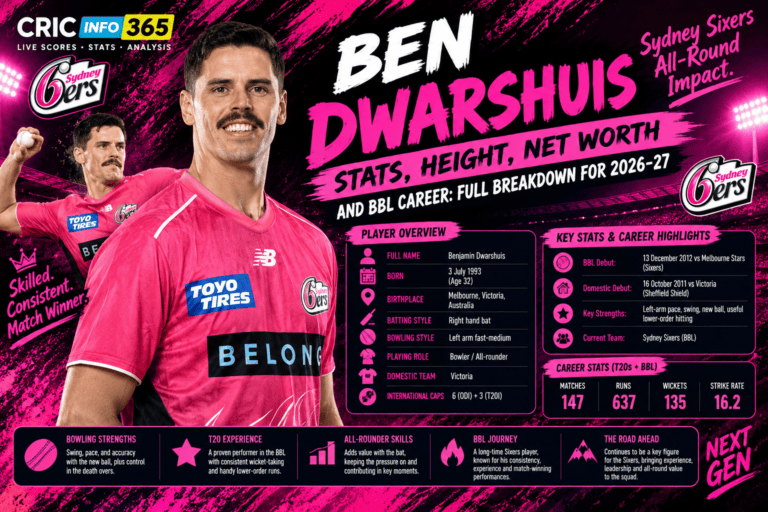
The Sixers have made one of the more eye-catching signings of the window so far, bringing in both Joel Davies and Ollie Davies, who are set to be teammates at the club next season.
Sydney Thunder
Ahead of the embargo lifting, Sam Billings was already locked in as Thunder’s overseas signing — making him, at that point, the only contracted international player anywhere in the league heading into the open signing period.
Which Big Names Are Still Free Agents or Uncontracted for BBL|16?
With the overseas draft scrapped and negotiations happening directly between clubs and players, there’s a genuinely deep pool of proven international talent still available as clubs finalise their rosters. Names currently uncontracted or in negotiation across the league include:
- Hassan Ali (Pakistan)
- Shaheen Shah Afridi (Pakistan)
- Jamie Overton (England)
- Chris Jordan (England)
- Rehan Ahmed (England)
- Tom Alsop (England)
- Luke Wood (England)
- Tabraiz Shamsi (South Africa)
- Colin Munro (New Zealand)
- Rishad Hossain (Bangladesh)
Given the new open-market system, expect a wave of announcements over the next few weeks as clubs compete directly for these players rather than relying on a draft to sort things out. This is exactly why treating any “full squad list” right now as final would be premature — several of the league’s most recognisable overseas names haven’t signed anywhere yet.
Why Is BBL|16 Kicking Off in India?
One of the most historically significant details of this season has nothing to do with individual signings: for the first time ever, a BBL match will be played in India. The opening match of BBL|16 will see Melbourne Renegades face defending champions Perth Scorchers in Chennai, as part of what the Australian Prime Minister’s office described as “expanded sporting ties” between the two countries, announced in a press release on 10 July 2026.
This is a notable departure from BBL’s usual Australia-only footprint, and it signals a broader push to grow the league’s international audience and commercial reach ahead of the new season. For the complete match schedule and venue details, the Wikipedia entry on the 2026-27 Big Bash League season is a useful reference point as more fixtures are confirmed.
FAQs
-
When does BBL 2026-27 (BBL|16) start?
The season begins on 12 December 2026, with the final scheduled for 26 January 2027.
-
Who are the defending BBL champions?
Perth Scorchers are the defending champions heading into BBL|16.
-
Has the overseas player draft been scrapped for this season BBL|16?
Yes, BBL|16 has returned to an open-market signing system, where clubs negotiate directly with overseas players rather than picking them through a structured draft.
-
How many overseas players can each club sign?
Clubs can sign a maximum of three overseas players to their primary list, with no minimum requirement — a change from previous seasons.
-
What is the designated batter rule?
It allows a club to nominate one player before the toss who can bat but not field or bowl, paired with a designated fielder who can field but not bat or bowl. It’s optional and applies only to the men’s competition, not the WBBL.
-
Is Usman Khawaja signed for BBL 2026-27?
As of the latest update, Khawaja is a free agent after his Brisbane Heat deal expired, though the club has indicated he remains part of their plans, potentially as a designated batter.
-
Where is the opening match of BBL|16 being played?
The opening match will be played in Chennai, India, between Melbourne Renegades and defending champions Perth Scorchers — the first BBL match ever staged outside Australia.
-
Is this squad list final?
No — the contracting embargo only lifted on 27 August 2026, and clubs are still actively signing players. Several prominent overseas names remain uncontracted at the time of writing.
This coverage is brought to you by CRIC INFO 365 — built to give cricket fans fast, reliable live scorecards, match reports, and analysis for every Test, ODI, and T20 as it happens.